Venue - GCH 2026
Venue & Travel
Host City: Barcelona
Barcelona, the capital of Catalonia, is one of Europe’s most vibrant cultural and scientific hubs. With a rich history spanning over two millennia, the city offers an exceptional concentration of cultural heritage sites, museums, archives, and architectural landmarks.
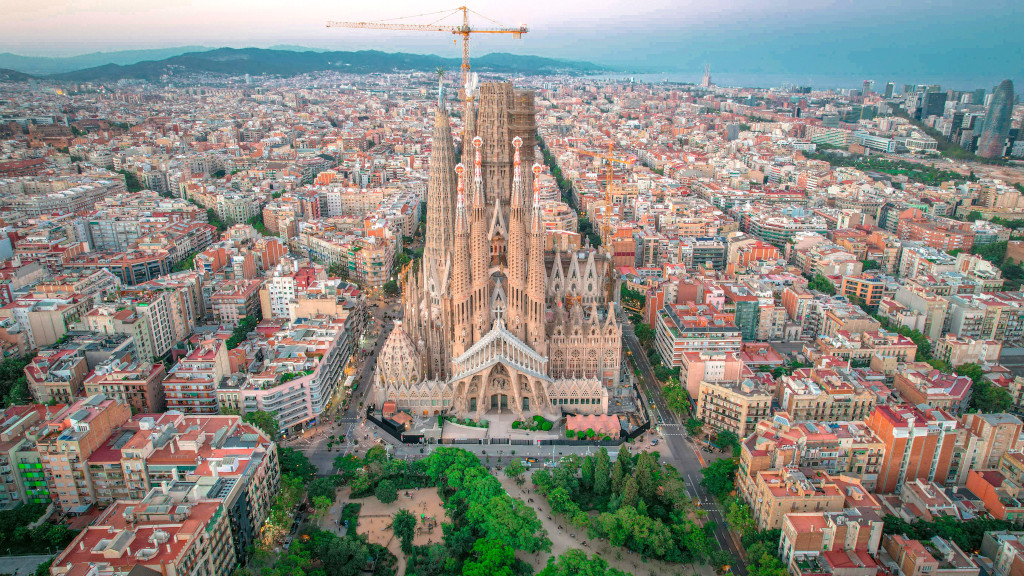
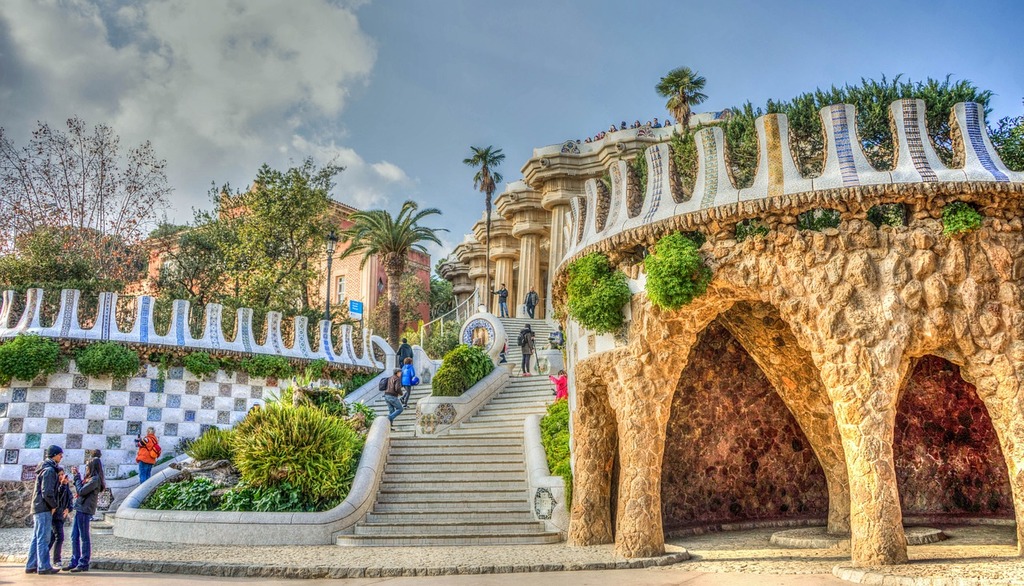
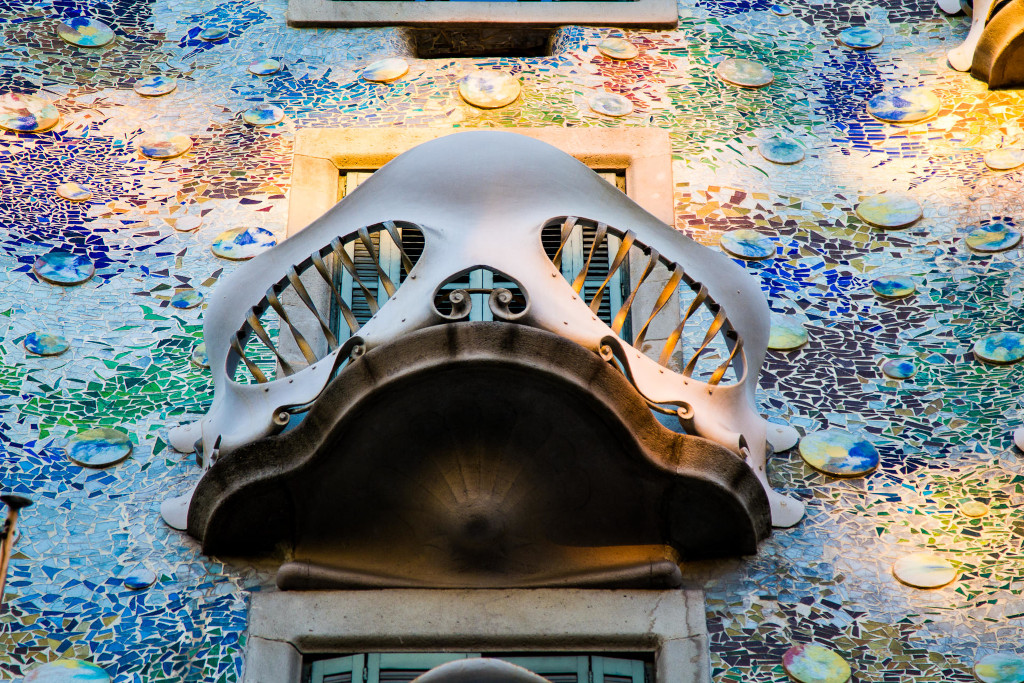
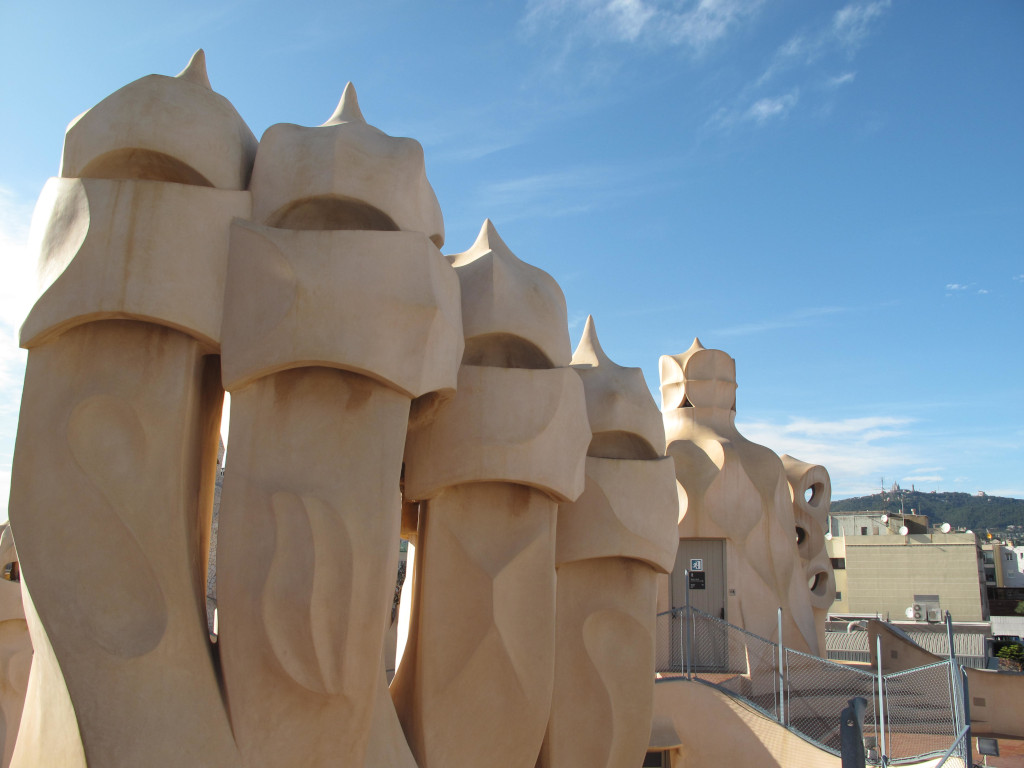
In 2026, Barcelona will commemorate the centenary of the death of Antoni Gaudí, one of the most influential architects of modernism, whose works (such as the Sagrada Família, Park Güell, and Casa Batlló) are recognized as UNESCO World Heritage Sites.
Beyond Gaudí, Barcelona hosts major cultural institutions, historical neighborhoods, and a rich architectural variety. With its strong tradition in cultural heritage, architecture, and digital innovation, Barcelona provides an ideal setting for GCH 2026.
Conference Venue: UPC – Campus Nord
GCH 2026 will take place at the Campus Nord of the Universitat Politècnica de Catalunya (UPC), one of Spain’s leading technical universities.
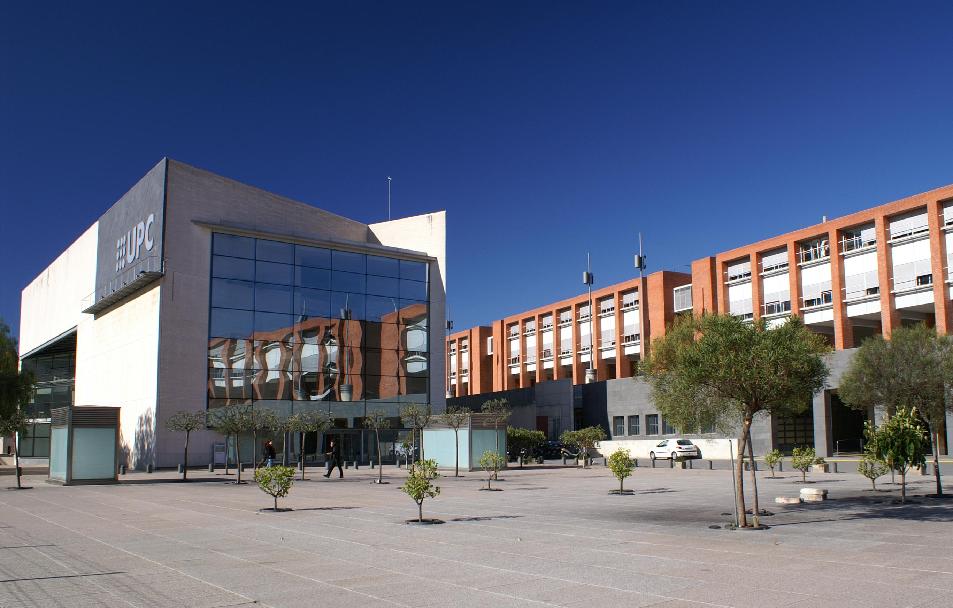
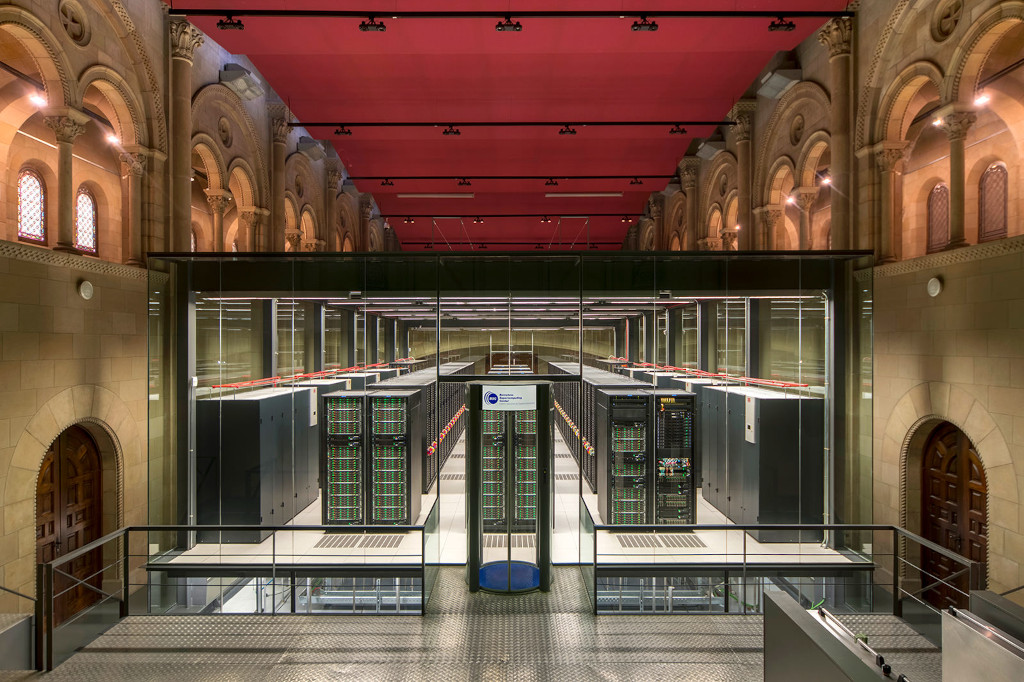
Campus Nord is located in the western part of the city and offers modern academic facilities, lecture halls, and collaborative spaces. The exact conference rooms will be announced soon.
The campus is very well connected to Barcelona and the surrounding metropolitan area by public transport:
-
Metro: Palau Reial (L3) and Zona Universitària (L3, L9, L10)
-
Tram: Lines T1, T2, and T3
-
Bus: Several urban and intercity lines
Getting There and Around
By Train
Barcelona is well connected by high-speed rail. Barcelona Sants Station offers direct AVE and international connections to major cities in Spain and France, including Madrid, Zaragoza, València, Sevilla, Lyon, Marseille, and Paris.
In line with the conference’s commitment to sustainability, participants are encouraged to consider train travel whenever possible as a low-carbon alternative to flying.
By Plane
Barcelona–El Prat Airport (BCN) provides direct connections to most major European cities and several intercontinental destinations. The airport is connected to the city center by metro, train, bus, and taxi.
Local Transport
Barcelona has an extensive and reliable public transport network, including metro, tram, buses, and regional trains. A single integrated ticket system allows easy movement throughout the metropolitan area.
Accommodation
Barcelona offers a wide range of accommodation options, from international hotels to boutique hostels and student residences, covering all budget levels.
Participants may choose to stay in:
-
The city center
-
Areas near Campus Nord
-
Surrounding cities such as L’Hospitalet, Sant Just Desvern, or Cornellà, which often offer more affordable options and are well connected by public transport
Discovering Barcelona and Catalonia
Barcelona offers a unique blend of Mediterranean lifestyle, Catalan culture, and urban vitality.
Visitors can enjoy:
-
A rich culinary scene, from traditional Catalan cuisine to international gastronomy
-
Walkable neighborhoods with beautiful arquitecture and seaside promenades
-
Renowned museums and cultural institutions, including MNAC, MACBA, CCCB, and the Picasso Museum
-
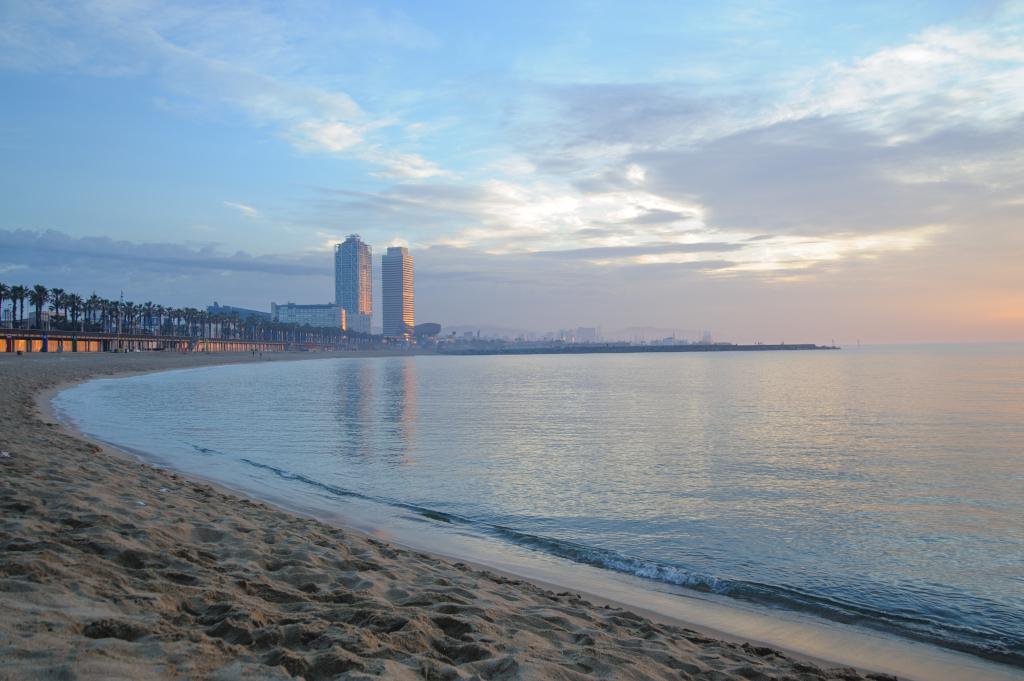
Beaches and coastal paths along the Mediterranean Sea
-
Urban parks such as Park Guell or Ciutadella, and natural areas such as Montjuïc and the Collserola Natural Park
As the cultural and economic center of Catalonia, Barcelona is also an ideal starting point for discovering the wider region, including historic cities such as Girona and Tarragona, the Pyrenees mountains, and coastal landscapes.
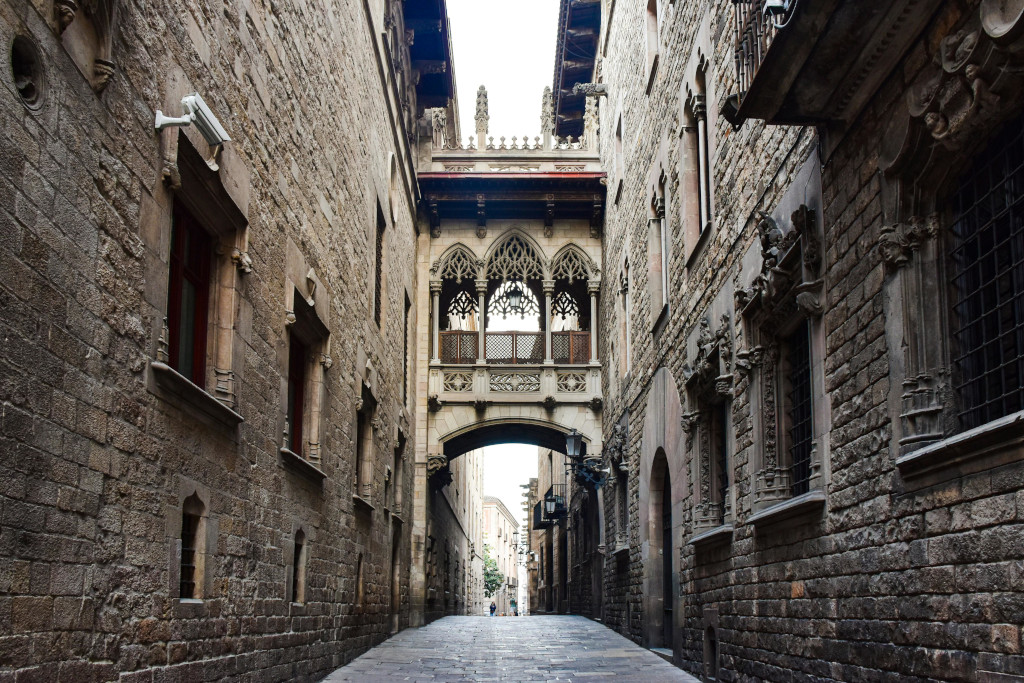
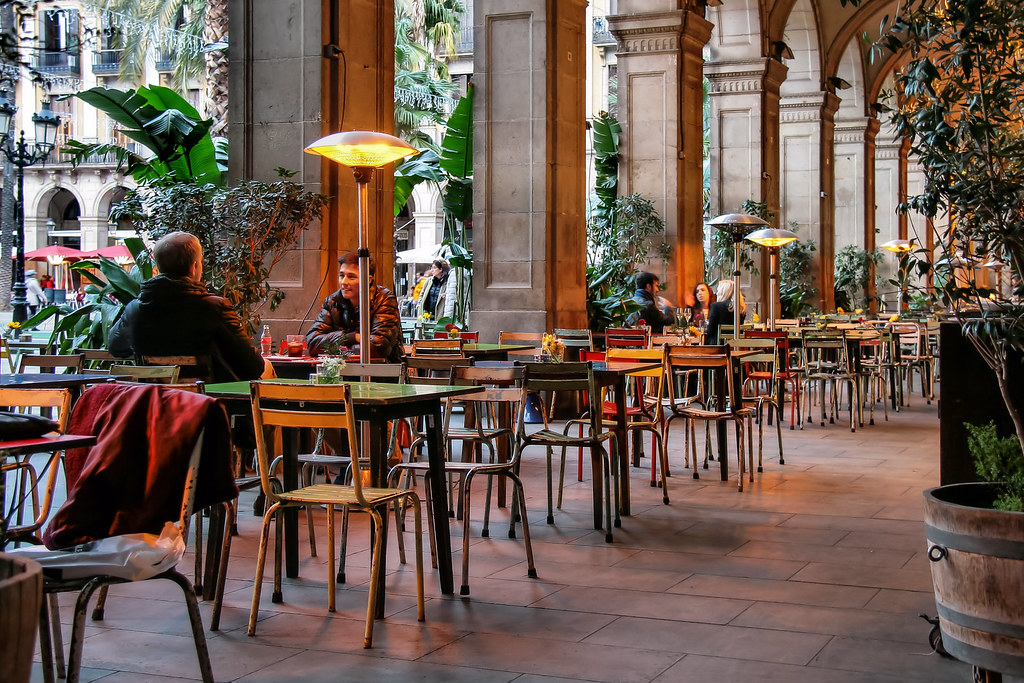
Image Credits
- Sagrada Família: Archie McNicol (Pexels), Public Domain
- Park Güell: Unknown (PickPic), Public Domain
- UPC: UPC.
- Mare Nostrum: Martidaniel (Wikimedia Commons), CC BY-SA 4.0
- Casa Batlló: Angus McIntyre (disoriented.net), CC BY-NC 4.0
- La Pedrera: Acountries (Wikimedia Commons), CC BY-SA 3.0
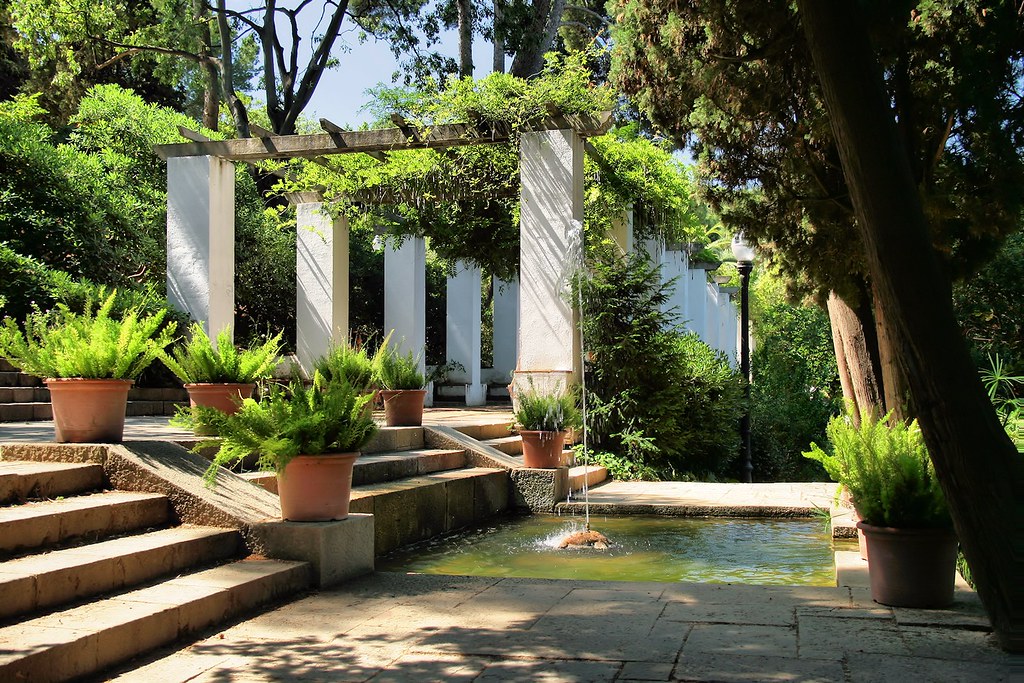
- Jardins de Laribal: Jorge Franganillo (Flickr), CC BY-NC 2.0
- Barceloneta: Jakub Bożanowski (Viquipèdia), CC BY 2.0
- Barri Gòtic: AXP Photography (Pexels), Public Domain
- Plaça Reial: Jorge Franganillo (Flickr), CC BY-NC 2.0