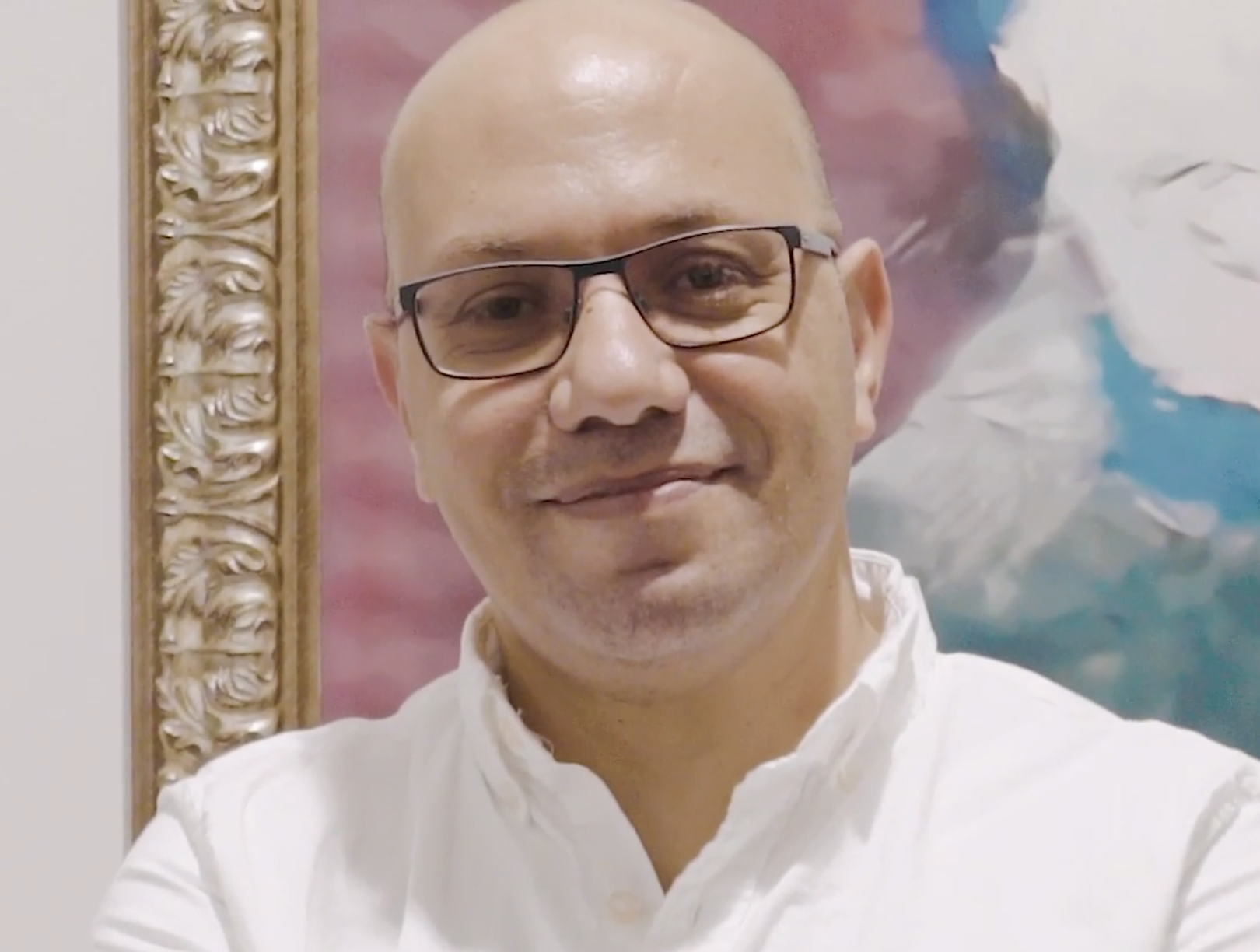
Valentine Charles is the Data Services Director of the Europeana Foundation, which leads the common European data space for cultural heritage. Her work focuses on the publication and exchange of cultural heritage data to support reuse and audience engagement.
Valentine has worked with Europeana since 2009, building deep expertise in cultural heritage data standardisation, aggregation and quality. She supported the development and adoption of the Europeana Data Model (EDM), a framework that enables the representation of links between cultural heritage objects and the entities surrounding them - such as people, places, concepts, and timespans.
Following her work on the EDM, she coordinated the development of Metis, the data aggregation and publication infrastructure used at Europeana, before taking on her current role as Data Services Director.
Beyond her operational work, Valentine is an active speaker in the cultural heritage communities, presenting at international conferences and seminars on topics ranging from semantic cultural heritage data to the evolving European data space for cultural heritage.
Built for reuse: making cultural heritage data fit for purpose
Technologies from digitisation to 3D modelling and AI-driven enrichment have transformed what cultural heritage institutions can produce, yet impact depends on reuse, and reuse depends on whether data fits its user’s purpose. Technologists, heritage professionals, and data reusers each define quality differently, and each is right. The result is a gap between what is produced and what is used. Drawing on the experiences of Europeana, the common European data space for cultural heritage and ECHOES, this keynote examines how that gap can be managed, not ignored. Using Twin it! 3D as a running example, it explores the tension between standardisation and user needs, and how the campaign shifted the conversation from technical specifications to shared purposes. The talk applies this lens to AI, drawing on Europeana’s paper “The case for Public AI”, asking how technology, heritage practice and public good can be reconciled, and closes with calls to action for technologists and heritage professionals.